A child’s family dynamics and home environment play a significant role in shaping a child’s communication skills. Positive and supportive interactions at home help children feel confident expressing themselves, while high-conflict or restrictive environments can create challenges regarding their communication ability. Different family structures have different impacts on their communication skills. Single-parent households, extended families, or homes with many siblings expose kids to various communication styles, influencing how they interact with others.

Parenting styles also have a major impact on how children develop their communication skills. For instance, authoritative parenting, which combines warmth with clear boundaries, encourages open, confident communication. It helps children express their feelings while also understanding others’ perspectives. In this case the child is mirroring how their parents treat them. In contrast, permissive parenting, though warm, lacks structure, which can make it difficult for kids to set boundaries and regulate their communication with others. This again, is the child acting in the only way they know towards others as their parents communicate with them. Children with authoritarian parents often are afraid to communicate with others because they are afraid of there reaction or always getting the answer “no” or never getting an explanation or reasoning behind actions and words that may be presented to them.
Caregivers can play a key role in helping children build strong communication skills by modeling calm and respectful interactions. Some strategies that are useful in helping children with their communication are: encouraging children to take a deep breath before reacting, using “I” statements to express emotions without blaming and practicing active listening. These strategies can have a big impact on a child’s ability to communicate with others appropriately and efficiently.
As children grow, their peers start to have a greater influence on their communication. Peer interactions offer kids opportunities to practice vital skills, like negotiating and resolving conflicts. Teachers and parents can support this by setting up group activities, demonstrating respectful communication, and helping kids learn to handle disagreements in healthy ways. By creating an environment that emphasizes empathy, listening, and open expression, adults can guide children in building strong communication skills with their peers.

Nonverbal communication like body language, facial expressions, and tone of voice also plays an essential role in how children communicate. These cues help children interpret emotions, understand social boundaries, and express empathy. Parents and educators can help children become more aware of nonverbal communication by discussing emotions and body language to them. Also, when adults model clear and expressive body language, they help children learn to read and use these cues more effectively.
The rise of digital communication has changed the way kids develop face-to-face communication skills. With much of their interaction happening through texting, social media, and online games, many kids have fewer opportunities to practice reading body language, active listening, and responding in real-time. This can make it harder for them to pick up on nonverbal cues or feel confident during in-person conversations.
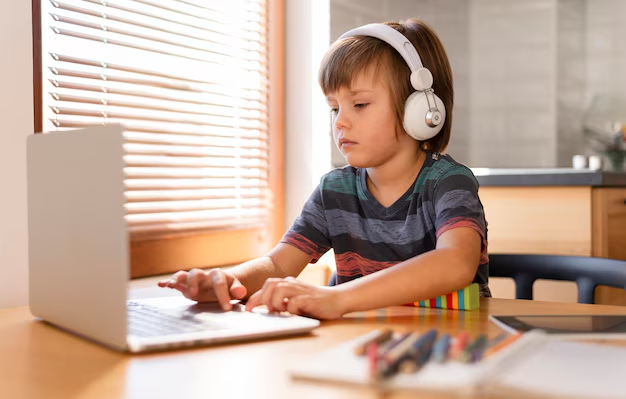
It’s important to set aside tech-free times during the day to help reinforce face-to-face interaction. Family meals, outdoor play, or group activities provide great opportunities for children to practice their communication skills. By balancing digital communication with in-person interactions, we can help children develop well-rounded social skills that will serve them in any setting, whether online or offline.
One big developmental idea that has stuck with me this semester is the comparison between online and in-person learning. With the world that we live in today there is no hiding from the fact that technology is advancing quickly and people use it all the time in their everyday lives. The question is though, in the education world, does technology impact a child’s development in a positive or negative way? Although I did not research this question in huge depth I have found that the answer for teachers in their classroom is that a mix of both online and in-person and hands-on learning has shown the best results.
Students require additional support and socialization that simply online formats struggle to provide. One of the most notable consequences of online learning is the decline in social interaction, which has been shown to hinder students’ social development and, consequently, their academic performance. Social connections are vital for children’s growth in a learning environment, and without these connections, academic success suffers.
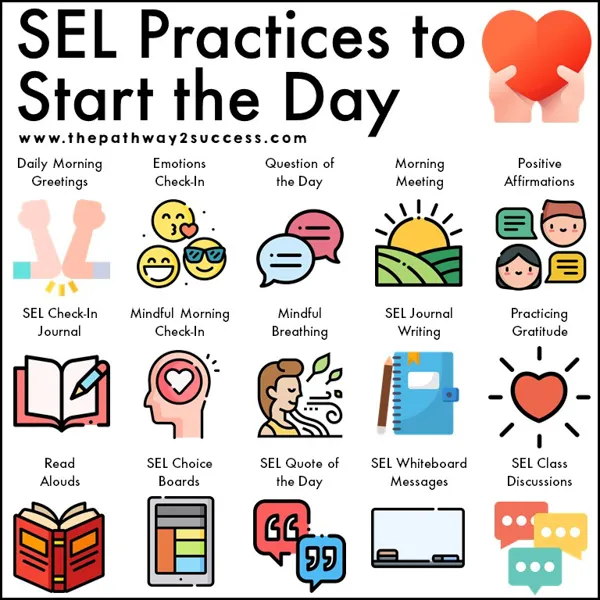
In response to this, in my classroom I would focus on fostering social connections by creating activities that encourage peer interaction and relationship-building. I have found from working for the YMCA that social emotional learning is an effective way to not only improve social development and build valuable relationships with students. I’ve found that SEL helps students develop essential coping strategies and resilience, which are crucial for their academic success.
Through my research, I’ve come to realize how quickly the education system is evolving, and the importance of adapting to these changes. It is essential not only to assess the effectiveness of teaching styles and decisions but also to consider the needs of individual students. Regularly collecting feedback from students about their experiences in learning environments allows for data-driven decisions that can improve teaching methods and better support students’ well-being and academic achievement.
The challenges of online schooling, like reduced social interaction and disengagement, have shown just how important communication skills are for students’ success. Without face-to-face interaction, many students struggle to develop these skills, which are crucial for both learning and building connections with others. Communication isn’t just about doing well in school. It’s also essential for emotional well-being, helping students navigate challenges, and form relationships. Parenting styles play a big role in this too. When parents encourage open conversations, offer emotional support, and model good communication, they help their children develop the skills they need to thrive, whether learning online or in person. As we adjust to new ways of learning, it’s essential to focus on strengthening communication skills both at home and in the classroom, so students can overcome the challenges they face and feel supported in their growth.
