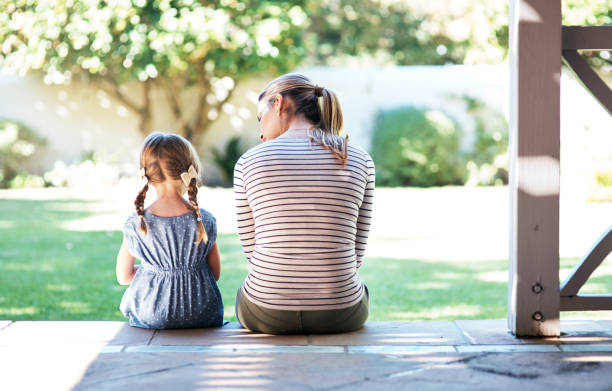
A child’s upbringing has a big impact on how they learn and behave in the classroom. Erikson’s psychosocial stages of development are a great way to understand this, as they show the emotional, social, and psychological needs kids have at different ages. Not all students are at the same stage—even if they’re in the same grade. Some students might even be in between stages. That’s why kids can act so differently or respond in unique ways to the same situations. As teachers, it’s so important to understand these differences so we can support each child’s development in a way that works best for them.
When we do this, we’re not just helping them succeed academically—we’re also helping them grow in confidence, resilience, and emotionally. At the same time, their home life and upbringing play a huge role in how they get through these developmental stages. Each stage comes with a challenge, and whether a child overcomes it or not and the rate they overcome it often depends on their environment at home. If they have caregivers who are consistent, warm, and nurturing, they’re more likely to feel secure, confident, and trusting. This might lead them to develop at a faster rate and more easily because they have a support system and are not afraid to take action and risks at times. But if that care is inconsistent or neglectful, they might struggle with mistrust, insecurity, or even fear of the world around them. This would have the opposite affect on a child, they would be less likely to take action and risks and in hand they would develop at a slower rate.
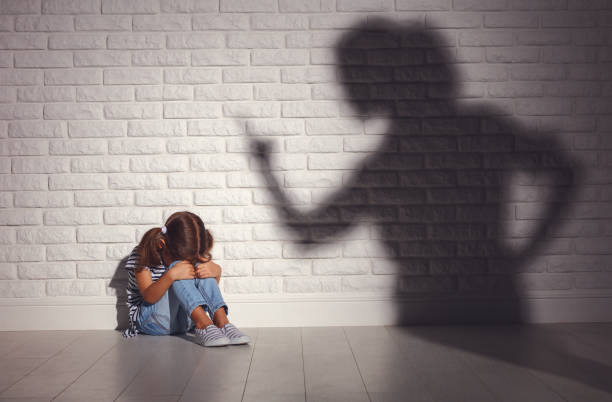
As teachers, we can use this understanding to create classrooms that encourage imagination and independence, while also providing structure and boundaries. This helps kids develop a sense of initiative and purpose—skills that will stay with them for the rest of their lives.
Ways Teachers Can Support Children in Stages of Development
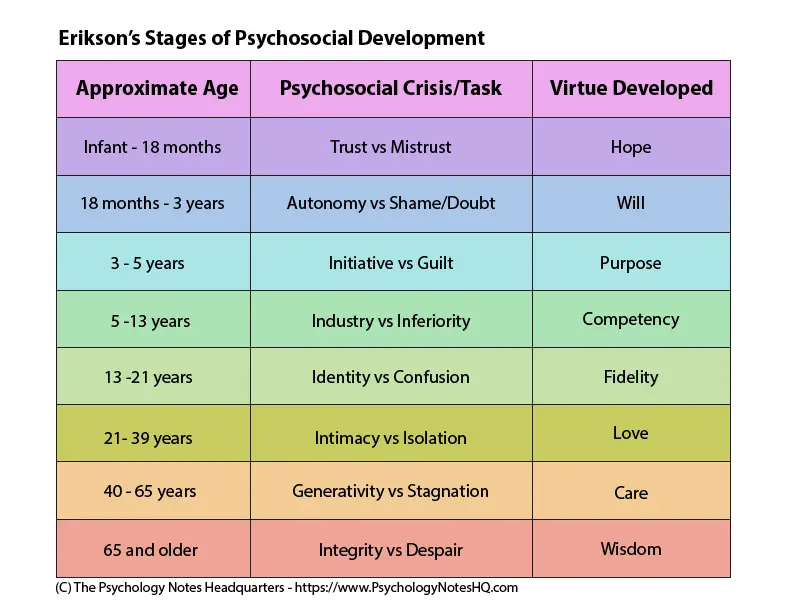
- Provide a warm, nurturing, and predictable environment
- Respond consistently and patiently to students’ needs
- Use soothing tones and build positive relationships with both children and their families
- Allow students to make simple choices (ex. choosing between two activities)
- Encourage self-help skills like putting on their own coat or tidying up their space
- Avoid harsh criticism of mistakes; instead, guide and celebrate attempts
- Offer opportunities for imaginative play and open-ended activities
- Praise efforts, even if outcomes aren’t perfect, to build confidence
- Encourage students to ask questions, explore, and try new things
- Provide tasks that are challenging but achievable to build confidence in their abilities
- Recognize and celebrate individual progress and accomplishments
- Encourage self-expression through discussions, projects, or creative activities
- Respect and validate students’ ideas and perspectives
- Be a positive role model and offer guidance without being overly directive
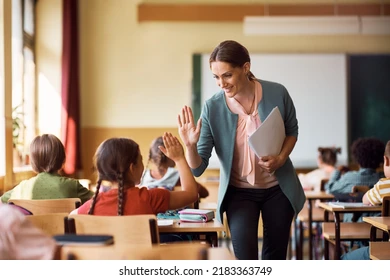
Each of these ideas are important at any stage of development for an educator to take into consideration even though they are geared towards certain psychosocial development stages. If educators follow these ideas and align their classroom actions with the stages of these developments they will find that it is extremely impactful in both the academic and personal growth of their students.
